

Aging isn’t a law of nature—it’s a biochemical process we can influence. Just like we use antibiotics to treat infections and drugs to treat cancer, we can use science to slow down aging. Now, I didn’t say it was easy, but we are getting better at slowing aging. Our cells change over time, affected most by sleep, diet, exercise, and stress, followed by hormone levels, genes, and environmental factors.
New tools like AI can help with this. Scientists can now track these changes in your body, from DNA damage to cells losing energy. They’re also finding ways to slow aging down.
Here’s how science and AI can help you stay healthy longer:
Aging happens in three main ways: the protective tips on our DNA get shorter, our genes change in ways that speed up aging, and our cells lose energy (Sinclair & LaPlante, 2019). Think of it like a car—the protective coating wears off, the engine settings get mixed up, and the battery runs down.
To be more scientific… as we age, several things happen in our bodies at once. The protective caps on our chromosomes (telomeres) get shorter, like shoelaces losing their plastic tips. Our genes get chemical changes (epigenetic alterations) that affect how they work, like switches getting stuck in the wrong position. And our cells struggle to make energy efficiently, like a weakening battery.
Each of these changes affects the others, creating a cycle we’re learning to slow down. Today, AI tools are getting better at tracking all three of these aging signs, helping doctors spot problems earlier than ever before.
Can we slow aging down, stop it, or turn it back? Science says we can influence it—more than I would have guessed 10 years ago. Aging is not some fixed law like gravity. It’s a complex mix of biological shifts we’re starting to measure and tweak. Medicines already change our body chemistry—insulin controls blood sugar and blood pressure medications protect your heart. Aging is more complex, but we’re not helpless.
Our bodies don’t just wear out like old machines. They change in specific ways we can now measure. As we age, damaged cells stick around and cause inflammation. Meanwhile, our stem cells—the body’s repair team—slow down. Low-level inflammation slowly damages our tissues over time. That’s aging—not a simple breakdown but changes we’re learning to control.
We can measure these aging signs, but we don’t fully understand how they work together. Lab studies don’t always work in real people, and medical trials take years. Also, aging affects everyone differently. Your genes, lifestyle, and habits all matter. AI isn’t smart enough yet to figure out all these personal factors at once.
Scientists are testing several ways to slow aging. Some approaches try to mimic the benefits of calorie restriction—eating significantly less than normal—which has extended lifespan in lab animals. The drug metformin, commonly used for diabetes, might provide these same benefits without the difficult diet. Another approach focuses on helping cells make energy more efficiently. Nutrients like CoQ10 and NAD+ boosters (a type of vitamin B) both support energy production in our cells.
New treatments called senolytics—a class of drugs that target specific cellular processes—work like a cleanup crew, removing old, damaged cells that cause inflammation and other problems. Another approach being tested is stem cell treatments, which use the body’s own repair cells to fix damaged tissues. The National Institute on Aging tests these treatments through their research programs, including the Interventions Testing Program. So far, they show promise but no miraculous results yet.
How AI Is Already Transforming Longevity Research
AI wearables such as Apple Watch Series 10 and Oura Ring 4 can collect far more information than the occasional lab test or X-ray at the doctor’s office. These devices provide continuous monitoring of daily habits, such as sleep, exercise, and diet, offering a comprehensive view of health trends over time When it comes to longevity and extending our healthspan, this constant monitoring becomes especially powerful. The daily data about our habits can help us make changes that lead to healthier, possibly longer lives.
I’ve seen patients transform after 6 months of healthier habits. AI can make these changes easier by using data from devices on our wrists to guide us. Studies show that personalized AI coaching helps people stick to healthy habits much better than general advice. This matters because consistency, not perfection, is what counts.
But here’s an important caveat: AI is a tool, not the complete answer. A recent study on weight loss apps found something important—programs that combined human coaches with AI worked better than AI alone (Kapoor et al., 2025). Why? Human coaches bring something AI can’t replicate: the power of real relationships. People try harder when they don’t want to disappoint someone who’s rooting for them. They show up because of friendship and accountability, not just data and reminders. AI can track everything perfectly and give smart suggestions, but it can’t replace the feeling of having another person in your corner. The best results come when we use AI as a support tool while keeping the human connection that motivates us to actually make changes.
Taking Action: What You Can Do Today
Try a wearable like Fitbit to track sleep, exercise, and diet. Consider trying AI-powered apps that can help with specific aspects of health:
- For sleep optimization: Sleep.ai and the Oura app offer insights based on your patterns.
- Nutrition tracking apps: Lark and Foodvisor analyze your eating habits and suggest improvements.
- For personalized workouts: Apps like Fitbod and Future adapt to your progress and goals.
- Meditation and stress apps: Headspace and Calm can help manage the mental side of health.
Choose apps with strong privacy policies, such as HIPAA-compliant or GDPR-certified platforms, to protect your health data. For instance, Oura’s privacy policy ensures data encryption, but verify this for any app you use. Many of these tools offer free versions, though premium features may require payment.
When using these tools, focus on trends rather than daily fluctuations—look for patterns over weeks and months. Share relevant data with your healthcare provider by preparing summaries from your apps for more productive discussions.
Finally, stay informed but skeptical about longevity supplements and interventions. Follow reputable sources like the National Institute on Aging, Mayo Clinic, and Harvard Health Publishing for guidance based on solid science.
The Future Is Just Beginning
Keep in mind that living longer is not the only goal. This is not just about more years. It’s about more healthy years. Research on aging shows we can develop treatments that help people stay healthy as they age (Campisi et al., 2019). Scientists have studied something called compression of morbidity for over 40 years. This means squeezing the time of illness into a shorter period at the end of life. The goal is to add years of good health, not years of being sick (Fries et al., 2011).
We’re moving from one-size-fits-all health advice to truly personalized medicine. AI is helping us understand that what works for your neighbor might not work for you, and that’s okay. The future will likely bring even more sophisticated tools that can predict health issues before they happen and suggest interventions tailored to your unique biology. Stay curious, stay consistent, and watch your health transform.
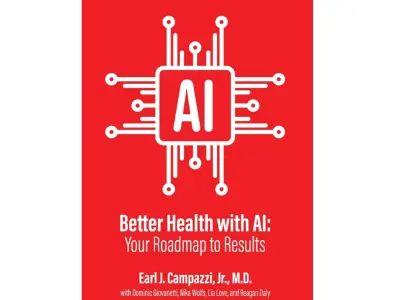
This adapted excerpt is from Better Health with AI: Your Roadmap to Results by Dr. Earl J. Campazzi, Jr., M.D., a Johns Hopkins-trained physician and author. All rights reserved.


Powered by CELLMOBS
Comments
Post a Comment