
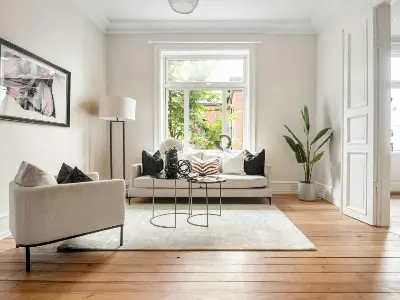

For many adults, home is more than just a place to live. It represents comfort, familiarity, and independence. As people grow older, many choose to remain in their own homes rather than relocate to an assisted living community or retirement facility. This decision, often referred to as "aging in place," has become increasingly popular among homeowners who value maintaining their routines and staying connected to their neighborhoods.
Remaining at home successfully often requires planning. While some homes are already well suited for long-term living, others may benefit from thoughtful improvements that make daily life safer, more comfortable, and easier to manage. The good news is that many of these projects don't require a complete renovation. Even relatively small upgrades can have a meaningful impact on maintaining independence for years to come.
Start With Safety
Falls remain one of the leading causes of injury among older adults, making home safety one of the most important considerations. Fortunately, many common hazards can be addressed through practical improvements.
Installing grab bars in bathrooms, replacing slippery flooring, improving outdoor walkways, and adding brighter lighting throughout the home are all upgrades that can reduce the risk of accidents. Motion-activated lights in hallways and entrances also improve visibility during nighttime hours without requiring homeowners to search for light switches.
Replacing worn stair railings, repairing uneven sidewalks, and securing loose flooring are additional projects that contribute to a safer living environment.
Improve Accessibility Throughout the Home
Mobility needs often change gradually over time. Making accessibility improvements before they become necessary can help homeowners remain comfortable while avoiding major disruptions later.
Doorways may be widened to accommodate walkers or wheelchairs if needed. Lever-style door handles can replace traditional knobs, making doors easier to open for individuals with arthritis or reduced hand strength. Lowering light switches or raising electrical outlets can also improve convenience without significantly changing the appearance of the home.
Single-level living is ideal whenever possible. If essential living spaces such as the bedroom, bathroom, kitchen, and laundry room are all located on one floor, homeowners may find it easier to remain independent for longer.
Create a More Functional Bathroom
Bathrooms are among the most common locations for household injuries, making them an excellent place to focus renovation efforts.
Walk-in showers with low or no thresholds reduce tripping hazards while providing easier access. Built-in benches allow users to shower comfortably while seated if necessary. Handheld showerheads offer additional flexibility, and non-slip flooring provides added stability.
Comfort-height toilets and wider bathroom layouts can also improve accessibility while maintaining a modern appearance.
Many homeowners find that bathroom improvements not only increase safety but also add value and appeal to their property.
Make the Kitchen Easier to Use
The kitchen is often the heart of the home, and thoughtful design can make meal preparation more enjoyable and less physically demanding.
Pull-out shelves, soft-close drawers, and easy-to-reach storage reduce bending and stretching. Improved lighting beneath cabinets helps with food preparation, while touchless faucets simplify everyday tasks.
Countertops with rounded edges and appliances featuring larger controls can also make cooking easier for individuals experiencing vision changes or reduced dexterity.
Rather than completely remodeling the kitchen, many homeowners choose to update only the features that improve daily functionality.
Focus on Comfort and Energy Efficiency
Independent living is not only about mobility. Comfort also plays an important role.
Replacing outdated windows, adding insulation, sealing air leaks, or upgrading an older HVAC system can improve indoor comfort throughout every season while reducing monthly utility costs. Smart thermostats allow homeowners to adjust temperatures easily, and programmable settings can help maintain a comfortable environment automatically.
These improvements often provide benefits that extend well beyond accessibility by creating a more enjoyable and efficient home.
Smart Technology Can Offer Peace of Mind
Modern technology has made it easier than ever to live independently.
Video doorbells allow homeowners to see visitors before opening the door. Smart locks eliminate concerns about misplaced keys. Voice-controlled assistants can provide reminders for medications, appointments, and daily schedules while allowing users to control lights, thermostats, or other connected devices with simple voice commands.
Medical alert systems and smart smoke or carbon monoxide detectors also add an extra layer of protection while giving family members greater peace of mind.
Many of these technologies can be installed without extensive remodeling and continue to provide value as needs evolve.
Plan Before Major Repairs Become Urgent
One of the biggest challenges homeowners face is waiting until an emergency occurs before addressing important repairs.
Replacing a roof, updating an aging HVAC system, remodeling a bathroom, or improving accessibility are significant investments. Planning these projects ahead of time allows homeowners to compare contractors, establish realistic budgets, and carefully evaluate available options rather than making rushed decisions under pressure.
Preparing early often leads to better outcomes and reduces the stress associated with unexpected home repairs.
Understanding Payment Options
As homeowners prepare for larger renovation projects, many also take time to explore the different ways those improvements can be paid for. Websites such as Pasha Funding explain how contractor financing for home improvement projects works and what property owners should know before beginning major upgrades. Understanding these options ahead of time can make planning easier and help projects move forward with greater confidence.
Looking Ahead
Supporting independent living is rarely about one major renovation. More often, it involves a series of thoughtful improvements made over time. Better lighting, safer bathrooms, improved accessibility, energy-efficient upgrades, and carefully planned maintenance can all contribute to a home that continues to meet changing needs.
By planning ahead instead of waiting for problems to arise, homeowners can create living spaces that are safer, more comfortable, and better suited for long-term independence. The result is not only a more functional home but also greater confidence in remaining where so many memories have already been made.
RELATED ARTICLES


Powered by CELLMOBS
Comments
Post a Comment